What Happens When Your Car Warranty Claim Is Denied?

Shawn Freeman
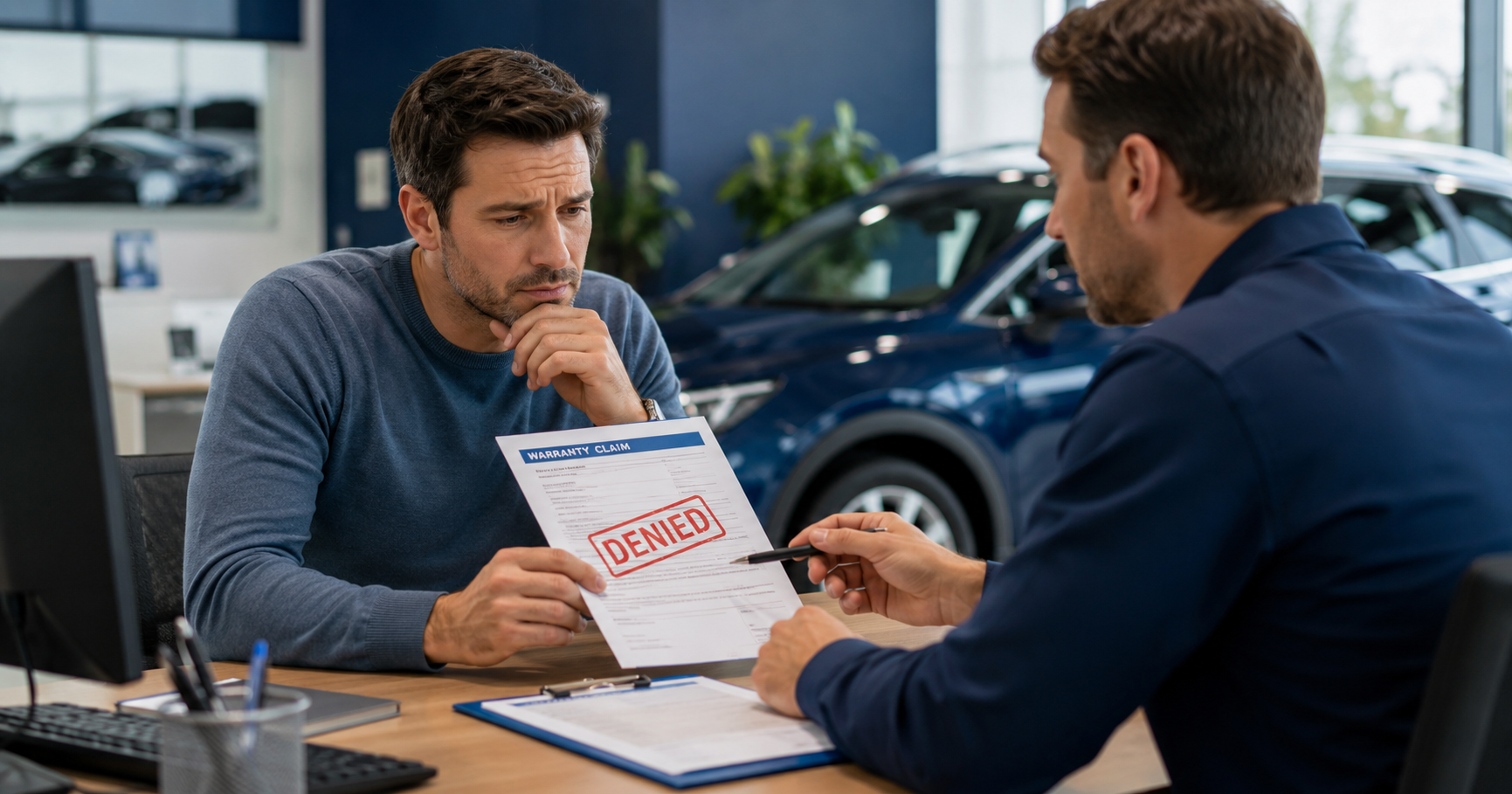
Few things are more frustrating than taking your car in for a covered repair, only to hear that your claim was denied. The good news is that most denials are not the result of a company trying to cheat you. More often, they come down to a mismatch between what the contract actually covers and how the claim was handled, documented, or approved.
Understanding why claims get denied, and what you can do before you ever file one, can save you money, time, and stress. This guide walks through the most common denial reasons and the steps you can take to give your claim the best chance of approval.
A Denied Claim Is Not the Same As a Voided Contract
First, an important distinction. A single denied claim usually means that one specific repair was not approved. It does not necessarily mean your entire vehicle service contract has been canceled. Knowing the difference helps you respond calmly and focus on the actual reason the repair was rejected.
Common Reasons Claims Get Denied
The Part Was Not Covered
This is the most common reason of all. Coverage depends on your plan tier. A powertrain plan focuses on the engine, transmission, and drive components, while a bumper-to-bumper or exclusionary plan covers most systems except a defined list of exclusions. Wear items such as brake pads, wiper blades, tires, and batteries are typically not covered on any plan. If the failed part is not in your coverage, the claim will be denied.
Pre-Existing Conditions
Vehicle service contracts cover breakdowns that happen after coverage begins, not problems that already existed. If an administrator determines a failure was present before the contract started, or during a waiting period, the claim can be denied. This is especially common on used cars, which is why a pre-purchase inspection by a trusted mechanic is so valuable.
Missing Maintenance Records
Most contracts require you to keep up with the manufacturer’s recommended maintenance. If a component fails and you cannot show that it was properly maintained, for example a transmission failure with no record of fluid service, the provider may argue that neglect caused the breakdown. Maintenance records are often the single biggest factor in whether a claim is approved.
Repairs Started Without Authorization
Many contracts require the administrator to authorize a repair before work begins, often after a diagnosis or inspection. If the shop tears down the engine and completes the repair before getting approval, the claim can be denied even if the failure itself would have been covered.
Modifications and Misuse
Aftermarket modifications, using the wrong fluids, commercial use that was not disclosed, or continuing to drive after a warning light appears can all lead to a denial, particularly when the modification or misuse is connected to the part that failed.
Documentation Mistakes to Avoid
- Not keeping receipts for oil changes and scheduled services
- Letting the repair shop start work before the claim is authorized
- Using an unauthorized or unlicensed repair facility when the contract requires otherwise
- Failing to disclose modifications when filing the claim
- Submitting an incomplete diagnosis without supporting documentation
What to Do If Your Claim Is Denied
- Ask for the denial in writing. Request the specific reason and the contract language the administrator is relying on.
- Gather your evidence. Collect the repair diagnosis, maintenance receipts, and your full service history.
- Compare it to your contract. Re-read the covered components, exclusions, and claims procedure to see whether the denial is consistent with the terms.
- Escalate if needed. Many administrators have a formal dispute or appeal process. Provide additional documentation and ask for a second review.
How to Protect Your Claim Before You File
- Read your exclusions and coverage tier carefully when you buy, so you know what is and is not covered.
- Keep organized maintenance records from day one, including dates, mileage, and what was serviced.
- Get repairs authorized before any major work begins.
- Use a licensed repair facility that meets your contract’s requirements.
- Address warning lights and unusual noises promptly instead of driving on a failing component.
Compare Coverage With WarrantyPilot
One of the best ways to avoid a surprise denial is to understand exactly what you are buying before you buy it. WarrantyPilot lets you compare vehicle service contracts side by side, so you can review covered components, exclusions, deductibles, and claims procedures in plain language, with no high-pressure sales tactics.
Most denied claims are preventable. By choosing the right coverage, keeping good records, and following the claims process, you give yourself the best chance of an approval when you need it most.
About Shawn Freeman
Shawn Freeman is the Co-Founder of WarrantyPilot, where he helps build technology that makes vehicle service contracts easier to compare, understand, and purchase. With a background in full-stack software engineering and startup product development, Shawn focuses on creating transparent, user-friendly tools for drivers navigating auto warranty options.