Extended Warranty for Used Cars: Coverage, Costs, and How to Buy

Gabriel Pendleton
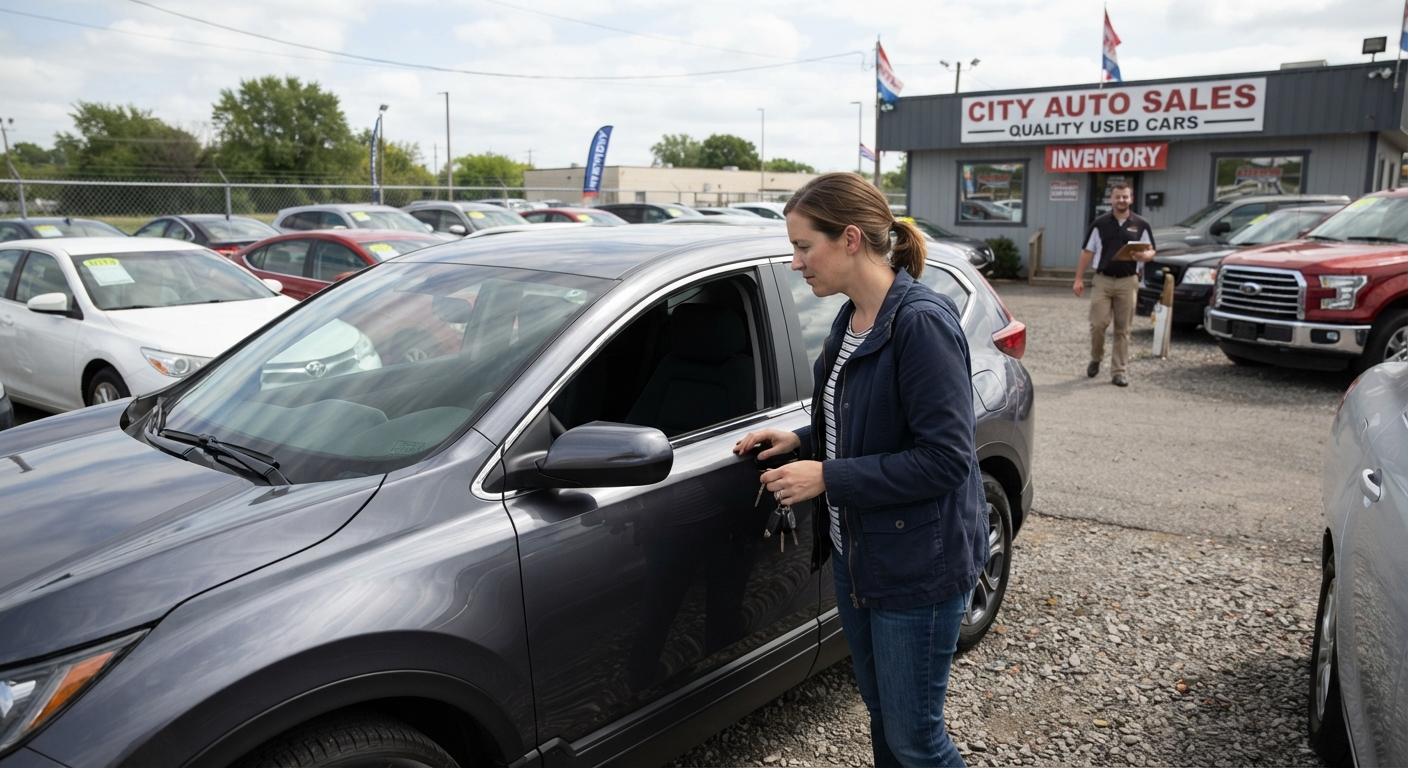
Buying a used car can save you thousands up front, but it usually means giving up some or all of the factory warranty that comes with a new vehicle. One unexpected transmission, engine or electrical repair can wipe out those savings fast. That’s why so many drivers look for an extended warranty for a used car. This guide explains what used-car coverage actually is, what it covers, what affects the price, and how to choose a plan with confidence.
Quick Answer
Yes, you can buy an extended warranty for a used car, and you don’t have to buy it from the dealer. Most used-car “extended warranties” are vehicle service contracts that pay for covered mechanical and electrical repairs after any remaining factory coverage ends. The right plan depends on your car’s age, mileage and reliability, the coverage level you choose, and the deductible you’re comfortable paying.
- Check what’s left first: Many used cars still carry transferable factory coverage. Look up the VIN before you buy anything extra.
- Pick a coverage level: Powertrain, stated-component, or exclusionary (“bumper-to-bumper” style) coverage.
- Read the fine print: Waiting periods, pre-existing condition exclusions, maintenance requirements, and cancellation terms matter as much as price.
- Shop around: You can buy coverage at the time of purchase or later, from the dealer or online, and compare quotes side by side.
What Is an Extended Warranty for a Used Car?
When people say “extended warranty” for a used car, they almost always mean a vehicle service contract (VSC). A true warranty is included in the price of the vehicle and comes from the manufacturer. A vehicle service contract is purchased separately and agrees to pay for specific covered repairs for a set period of time or miles. The difference matters when you read the terms, and we break it down further in Extended Warranties vs Vehicle Service Contracts.
Used-car coverage generally comes from one of three places:
- Remaining factory warranty: If the car is still within the manufacturer’s time and mileage limits, that coverage often transfers to the next owner automatically.
- Certified pre-owned (CPO) coverage: Manufacturer CPO programs add inspection standards and extra manufacturer-backed coverage, usually at a higher vehicle price.
- Vehicle service contracts: Offered by dealers and by independent providers, these plans can cover cars that are past or close to the end of their factory warranty.
Step One: Find Out What Coverage the Car Already Has
Before you pay for additional protection, confirm what’s already in place. Buying a plan that overlaps with remaining factory coverage means paying for protection you already have.
- Read the Buyers Guide. Dealers in the U.S. must post the FTC Buyers Guide on used cars they sell. It tells you whether the car is sold “as is” or with a dealer warranty, and what that warranty covers.
- Check the factory warranty by VIN. A franchised dealer for that brand can look up the original in-service date and the remaining coverage.
- Watch for owner-only terms. Some manufacturers shorten coverage for second owners. For example, Hyundai’s 10-year/100,000-mile powertrain warranty applies to the original owner; later owners get a shorter powertrain term.
If the factory coverage has already ended, you still have options. See Can You Buy an Extended Warranty After Your Factory Warranty Expires?
What Does Used-Car Coverage Include?
Vehicle service contracts are usually sold in tiers. The names vary by provider, but most plans fit one of these three types:
Powertrain Coverage
The most basic and usually the least expensive option. It focuses on the parts that make the car go: the engine, transmission and drive axles. It’s a common choice for older or higher-mileage vehicles, where these major failures are the biggest financial risk.
Stated-Component Coverage
These plans list every part they cover. Anything not on the list isn’t covered. Mid-level plans often add systems such as air conditioning, steering, brakes (excluding wear items) and electrical components on top of the powertrain.
Exclusionary Coverage
The most comprehensive level, closest to a “bumper-to-bumper” factory warranty. Instead of listing covered parts, the contract lists what is not covered, and everything else mechanical and electrical is included. It costs more, but it’s the easiest to understand and tends to leave fewer surprises at claim time.
Across all tiers, routine maintenance (oil changes, tires, brake pads, wiper blades) and cosmetic items are almost never covered. Many plans also include extras like roadside assistance, towing and rental car reimbursement, so compare those as well.
Fine Print That Matters More on Used Cars
Used vehicles come with history, and service contracts are written with that in mind. Review these terms carefully before you buy:
- Waiting period: Many plans don’t cover claims for an initial period, often measured in days and miles, to prevent people from buying coverage for a problem they already have.
- Pre-existing conditions: Problems that existed before the contract started are typically excluded. Some providers may require an inspection.
- Eligibility limits: Providers set maximum vehicle age and mileage, and the available coverage levels usually narrow as mileage climbs.
- Maintenance requirements: You’ll generally need to follow the manufacturer’s maintenance schedule and keep receipts. Our guide to documents you need to file a claim covers what to save.
- Repair shop choice: Check whether you can use any licensed repair facility or only specific shops.
- Cancellation and transfer: Many contracts can be canceled for a prorated refund (sometimes minus a fee) and transferred to a new owner if you sell the car, which can add resale value.
For a step-by-step walkthrough of contract language, read How to Read a Vehicle Service Contract Before You Buy.
What Affects the Cost of a Used-Car Extended Warranty?
There’s no single price for used-car coverage. Quotes are based on the risk of a covered repair, so they vary widely. The main factors are:
- Make, model and reliability record: Vehicles with expensive or frequent repairs cost more to cover. Luxury vehicles usually cost more as well.
- Current mileage and age: The more miles on the odometer, the higher the likelihood of a claim.
- Coverage level and term: Exclusionary coverage and longer terms cost more than powertrain coverage and shorter terms.
- Deductible: A higher deductible lowers the plan price. See $0 vs. $100 vs. $250 deductibles explained.
- Where you buy: Dealer pricing can include markup that’s rolled into your auto loan. Comparing online quotes first gives you a benchmark. Read Dealership Extended Warranty vs. Buying Online to learn what to compare.
Is an Extended Warranty Worth It for a Used Car?
It depends on your car and your finances. A used-car service contract is most likely to pay off when:
- The vehicle is out of factory coverage or close to it.
- The model is known for costly repairs, or it’s packed with complex electronics and technology.
- A sudden repair bill of $2,000 or more would be hard to cover from savings.
- You plan to keep the car for several more years.
It may be less valuable if the car still has years of factory coverage left, if it has a strong reliability record, or if you’d prefer to set aside money for repairs yourself. For a deeper look, see Is an Extended Car Warranty Worth It?
How to Buy the Right Plan for Your Used Car
- Confirm remaining factory coverage using the Buyers Guide and the VIN.
- Get a pre-purchase inspection from an independent mechanic so you know the car’s condition before coverage starts.
- Choose a coverage level that matches the car’s age, mileage and your budget.
- Compare multiple quotes for the same coverage, term and deductible so you’re comparing like for like.
- Read the sample contract before you pay, especially the exclusions, waiting period, claims process and cancellation policy.
- Don’t feel rushed at the dealer. You can usually decline the dealer’s plan and buy coverage separately, during or after the purchase.
Compare Used-Car Coverage With WarrantyPilot
WarrantyPilot makes it simple to compare vehicle service contracts for your used car side by side. Enter your vehicle, view plans from trusted providers, see upfront pricing at different coverage levels and deductibles, and choose the option that fits, with no high-pressure sales calls. Get your free quote in minutes.
Frequently Asked Questions
Can you get an extended warranty on a used car?
Yes. Most used cars qualify for a vehicle service contract as long as they’re within the provider’s age and mileage limits. You can buy one from the dealer at the time of purchase or from an independent provider at any point while the car is eligible.
Does the factory warranty transfer when you buy a used car?
In most cases, any remaining factory warranty transfers to the next owner automatically. However, some manufacturers shorten certain coverage, such as long powertrain warranties, for second owners. Check the remaining coverage by VIN with a franchised dealer.
Can I buy an extended warranty after I’ve already bought the car?
Yes. You don’t have to buy coverage at the dealership. Buying later is common, but prices can rise as mileage increases and some plans require an inspection, so it’s best to shop before major factory coverage runs out.
Will a used-car warranty cover problems the car already has?
Usually not. Pre-existing conditions are typically excluded, and many plans have a waiting period before coverage begins. A pre-purchase inspection helps you spot issues before you buy the car and the plan.
What’s the best coverage level for a high-mileage used car?
Many owners of high-mileage cars choose powertrain or stated-component coverage, which protects against the most expensive failures at a lower price. Learn more in our guide to coverage for high-mileage cars.
Can I cancel a used-car extended warranty?
Most vehicle service contracts can be canceled. You’ll typically receive a prorated refund based on the time or miles used, sometimes minus a small cancellation fee. Check the cancellation section of your contract for exact terms.
About Gabriel Pendleton
Building WarrantyPilot to simplify vehicle protection. Our platform connects drivers with top-rated extended warranty providers, offering transparency, convenience, and confidence in every purchase.